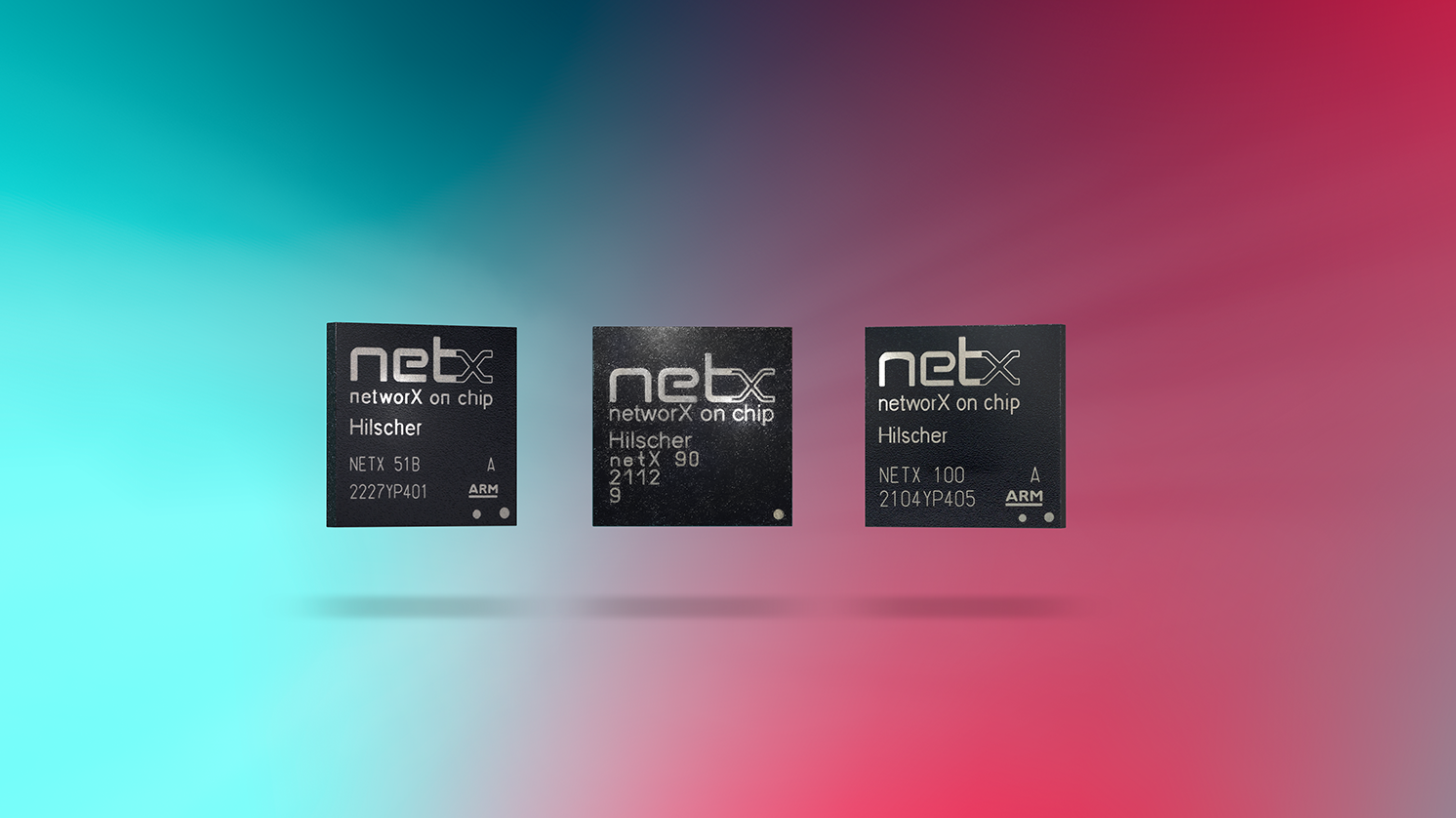
The netX multiprotocol processors bring industrial communication to your machines and devices. Whether master or slave applications, legacy fieldbuses, fast Industrial Ethernet or IIoT data traffic - with highly integrated netX SoCs you rely on solutions from the market leader.
Multi-protocol SoCs & Stacks
The netX multi-protocol processors bring industrial communication to your machines and devices. Whether master or slave applications, legacy fieldbuses, fast Industrial Ethernet or IIoT data traffic - with netX you rely on solutions from the market leader.
Our solutions comply with the latest certifications and standards. We guarantee a long-term delivery time as well as the integration of the latest trends and technologies. And if you are looking for a competent integration partner, we have just the right network for you!
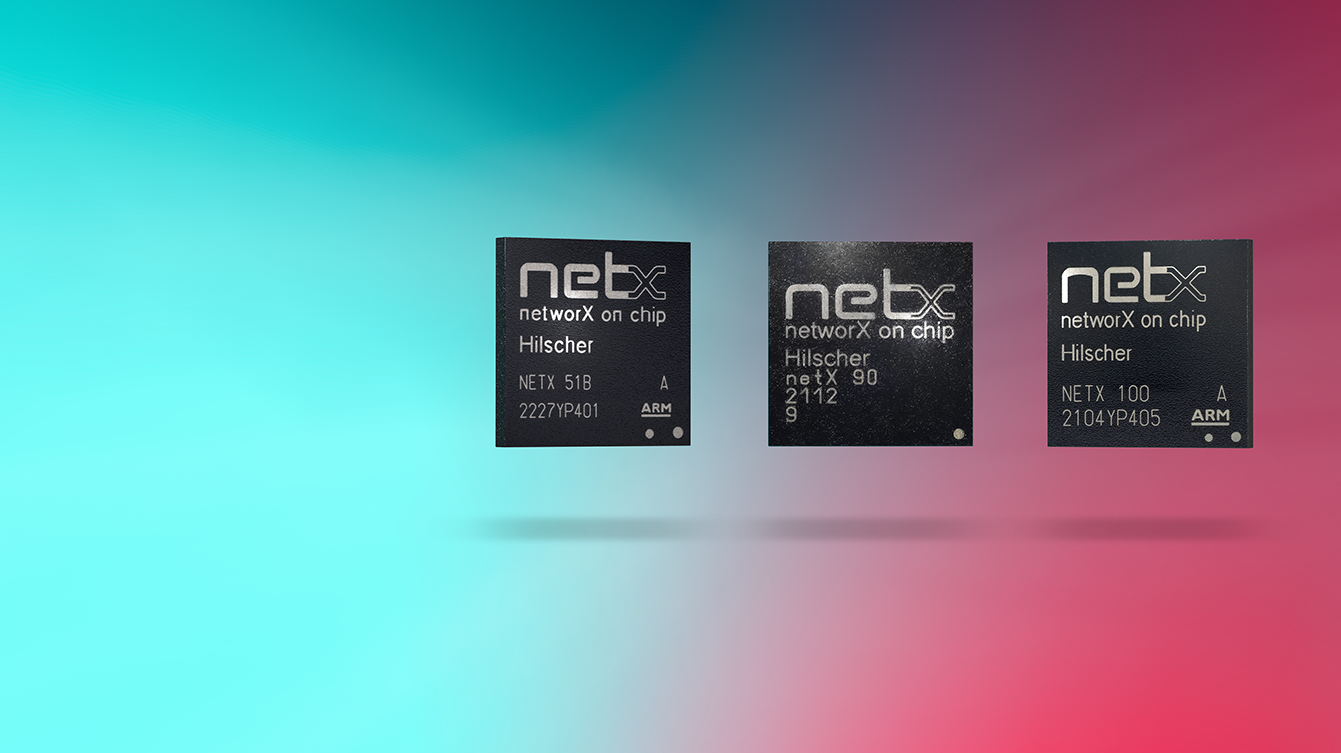
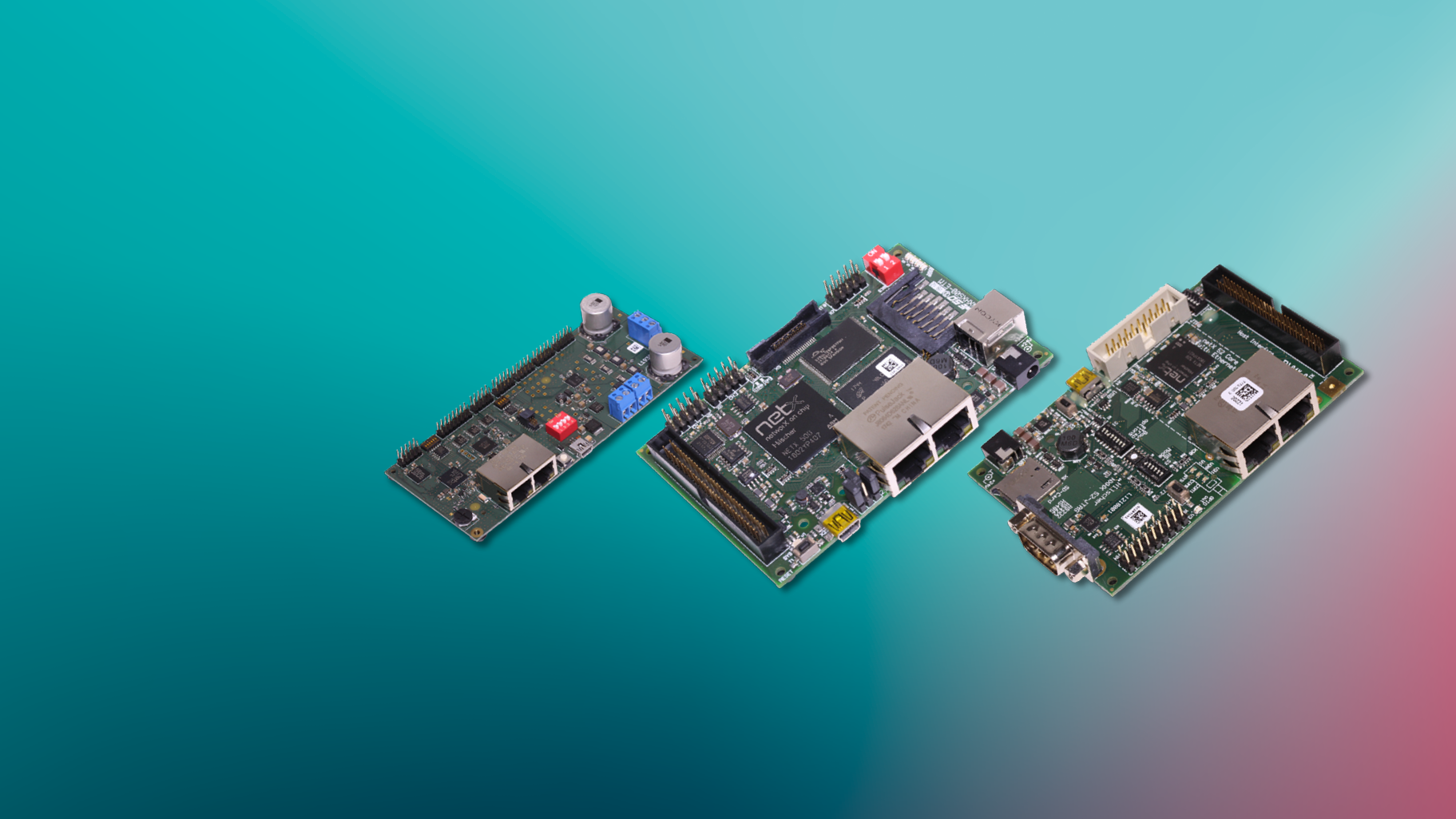
Overview of our netX communication controllers. As a highly integrated solution, they allow you to flexibly integrate your machines and production systems into your network regardless of the network standard. We provide hardware, software, certification and support from a single source.
Our NXLFW firmware is the heart of every netX SoC and netX SoC-based products. It ensures that you can handle all industrial communication protocols with just a single piece of hardware—and all that with only a single software update.
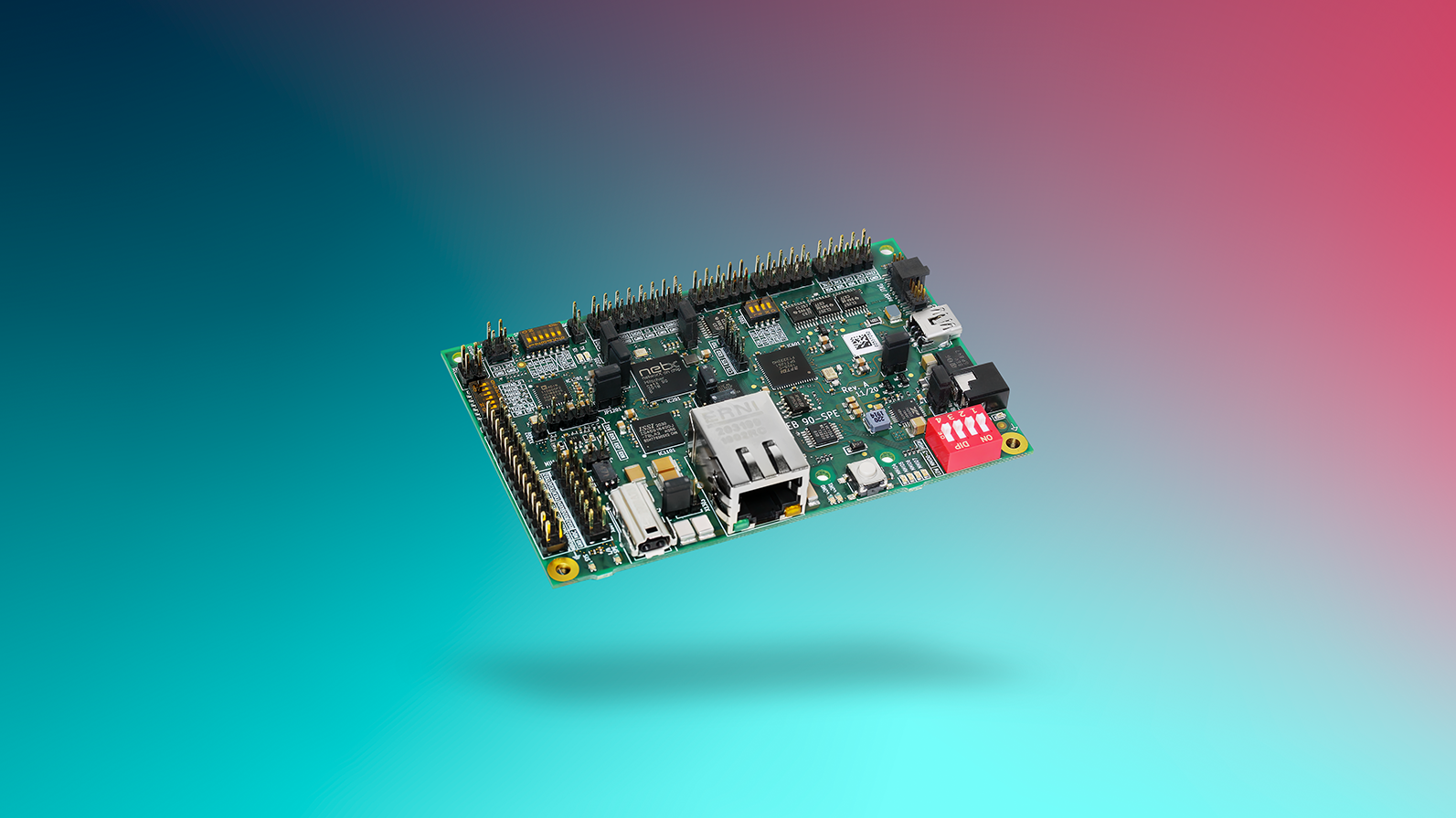
The NXHX evaluation boards for our netX chips are the most effective way to evaluate the integration of your applications into different communication networks. This allows you to start developing your application even before the hardware design has been determined, shortening your time to market.
We make industrial communication possible. From legacy fieldbus to Real-Time Ethernet and the cloud. Our solutions are multi-protocol capable, flexible and reliable. Learn more about how our netX software and hardware technologies work and how we make machine data accessible for you with our IIoT platform netFIELD.

Are you looking for an integration partner for your industrial communication project? From multi-protocol capable netX chips to IIoT applications - our network of partner companies offers you the support you need!
Which SoCs are multi-protocol capable?
The netX communication coltrollers from Hilscher are multi-protocol-capable SoCs. They offer the following advantages and benefits:
- Reduced development effort thanks to a uniform platform
- High flexibility in protocol selection
- Future-proof thanks to update capability
Which protocols does Hilscher's netX 90 support?
netX 90 enables flexible support for numerous fieldbus and industrial Ethernet protocols such as PROFINET, EtherCAT, EtherNet/IP, Modbus, and CC-Link as well as IIoT protocols such as OPC UA and MQTT.
What is netX?
netX is the brand name of a communication processor technology from Hilscher that was developed specifically for industrial networks.
What is Hilscher's netX family?
The netX family is a series of communication processors from Hilscher that have been specially developed for industrial networks. They enable flexible support for almost all fieldbus and Industrial Ethernet protocols and form the basis of many Hilscher products such as PC cards, embedded modules, gateways, and edge devices.
What netX variants are available?
netX 51/52: for classic fieldbuses and simple Industrial Ethernet applications
netX 90: compact, energy-efficient multi-protocol processor for secure device applications and modern IIoT devices
netX 100/500 series: for complex controller applications with high throughput
netX 900 series: Multi-core architecture for secure controller applications and demanding device use cases
Which protocols does the netX family support?
The netX processors are multi-protocol capable and support, among others:
- Industrial Ethernet: PROFINET, EtherCAT, EtherNet/IP, Modbus TCP, CC-Link IE Field
- Feldbuses: Profibus, CANopen, DeviceNet, Interbus
- IIoT protocols: OPC UA, MQTT in combination with PROFINET, EtherNet/IP, EtherCAT, and Modbus
- Future technologies: TSN (Time-Sensitive Networking)
What makes the netX family special?
- Multi-protocol capability with a single hardware base
- Pre-certified protocol stacks
- Upgradeability for new standards and protocols
- Cyber-secure according to IEC 62443
- Compact design for embedded applications
- High real-time capability for industrial communication
- Long product life cycles for industrial requirements
In which Hilscher products is netX used?
- PC cards (cifX series) for industrial PCs
- Embedded modules (comX, netJACK, netRAPID) for direct integration
- Gateways and edge devices for networking heterogeneous systems
What advantages do device manufacturers gain from using netX?
- Shorter development time, as there is no need to develop your own communication processor
- Flexibility, as multiple protocols are supported on the same hardware
- Scalability, from simple devices to complex control systems
- Investment security, as Hilscher guarantees long-term availability
For which applications is netX particularly suitable?
- Mechanical engineering – Integration of various communication standards
- Robotics and motion control – Real-time communication for precise movements
- Industrial control systems
- Process industry – Real-time networking of numerous field devices
- IIoT devices – Connection of edge and cloud systems
- Automotive industry – Highly available and fast networks in production lines
How does the netX family contribute to Industry 4.0?
The netX processors enable devices to be protocol-independent and future-proof. By supporting TSN, OPC UA, and IIoT standards, they are central building blocks for digital factory and smart factory concepts.
What role does the netX 90 play in the product family?
The netX 90 is one of the smallest and most energy-efficient multi-protocol processors on the market. It is particularly suitable for compact devices, sensors, actuators, and IIoT applications as well as and applications that require little energy but demand full protocol diversity.
Who might be interested in the netX family?
- Device manufacturers (OEMs) who offer their products in different markets
- System integrators who need to connect heterogeneous networks
- Machine builders who are looking for a future-proof communication basis
- Industrial companies that rely on standardization and flexibility