멀티 프로토콜 SoC 및 스택
SoC 및 스택
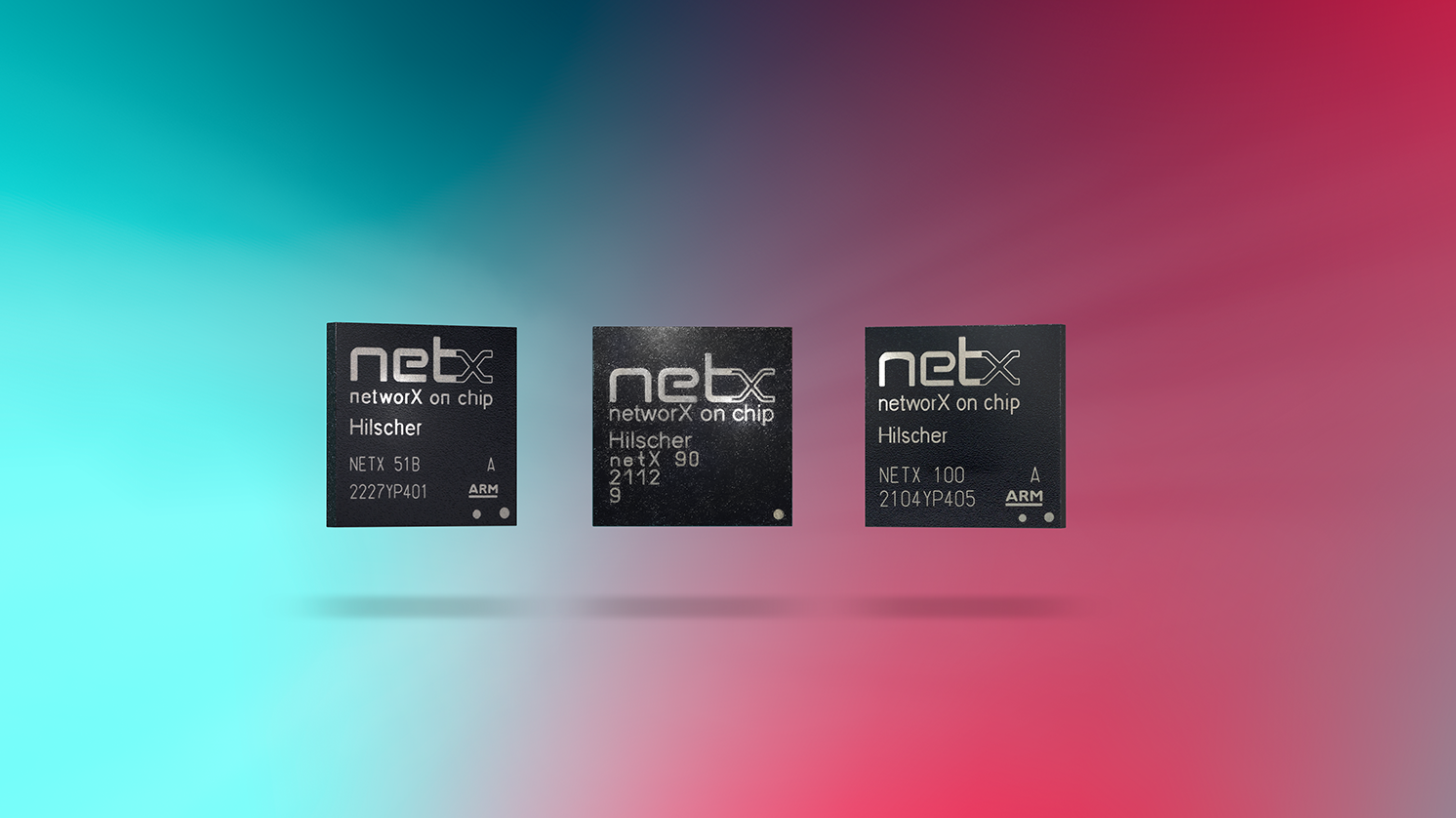
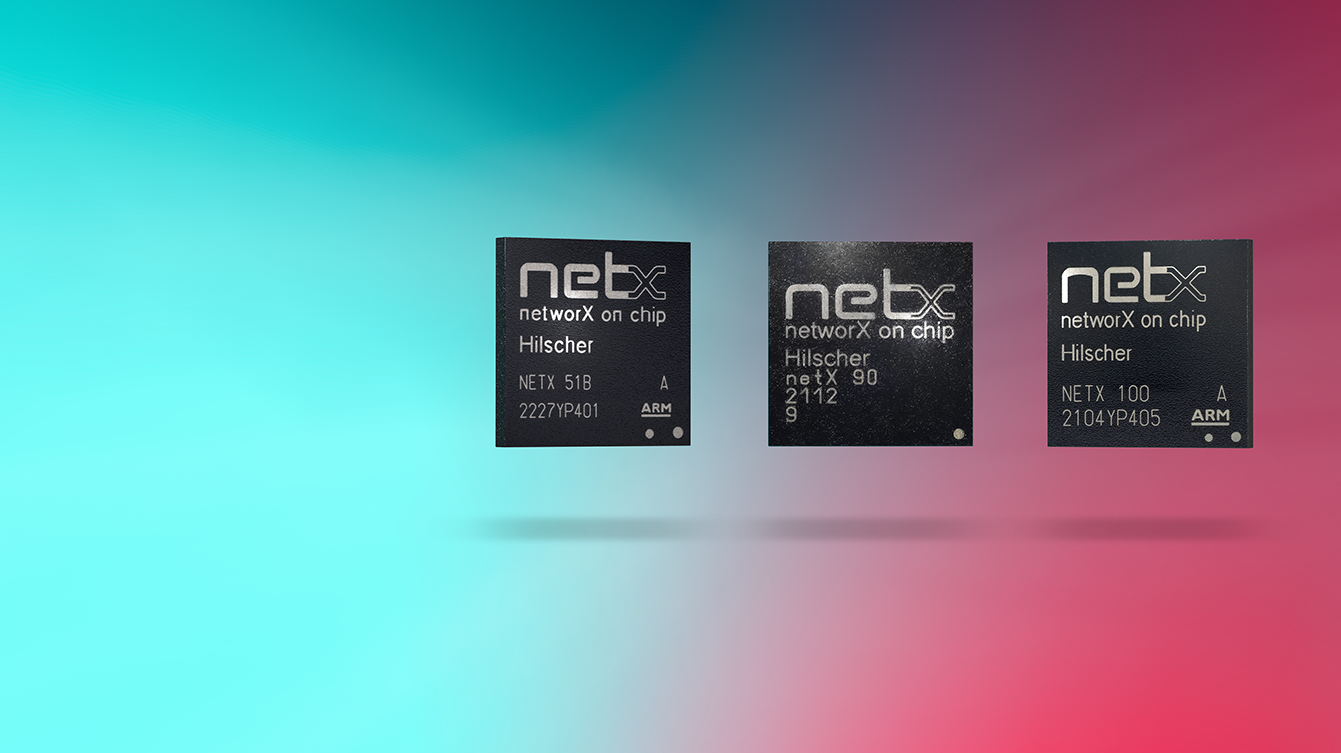
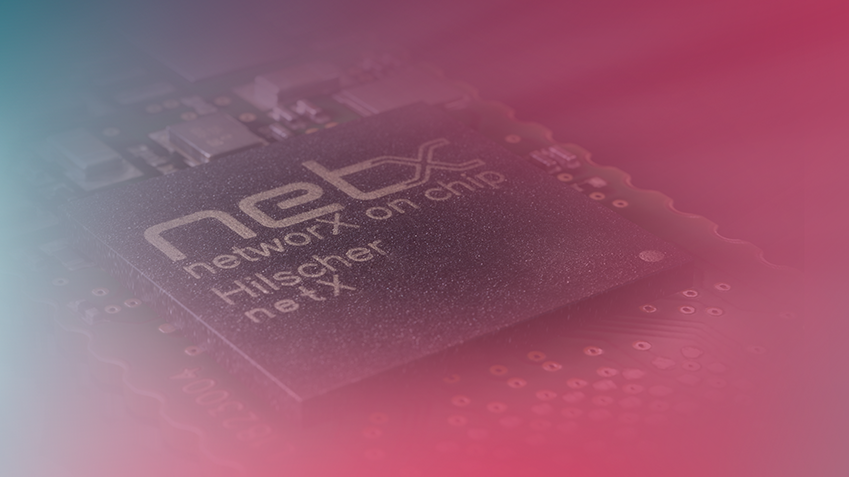
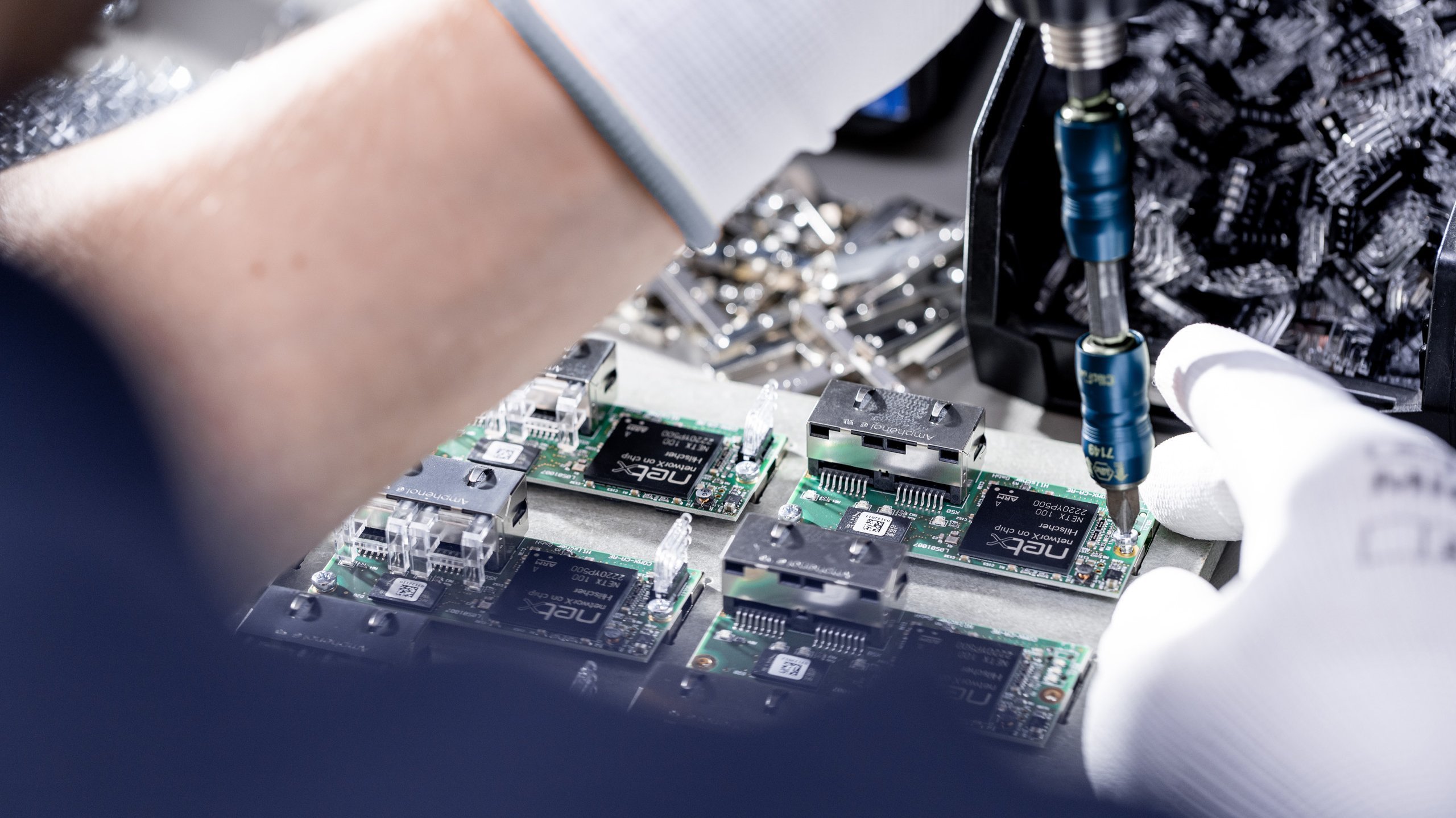
netX 통신 컨트롤러의 개요. 고도로 통합된 솔루션으로서, 네트워크 표준에 관계없이 기계와 생산 시스템을 네트워크에 유연하게 통합할 수 있습니다. 단일 소스에서 하드웨어, 소프트웨어, 인증 및 지원을 제공합니다.
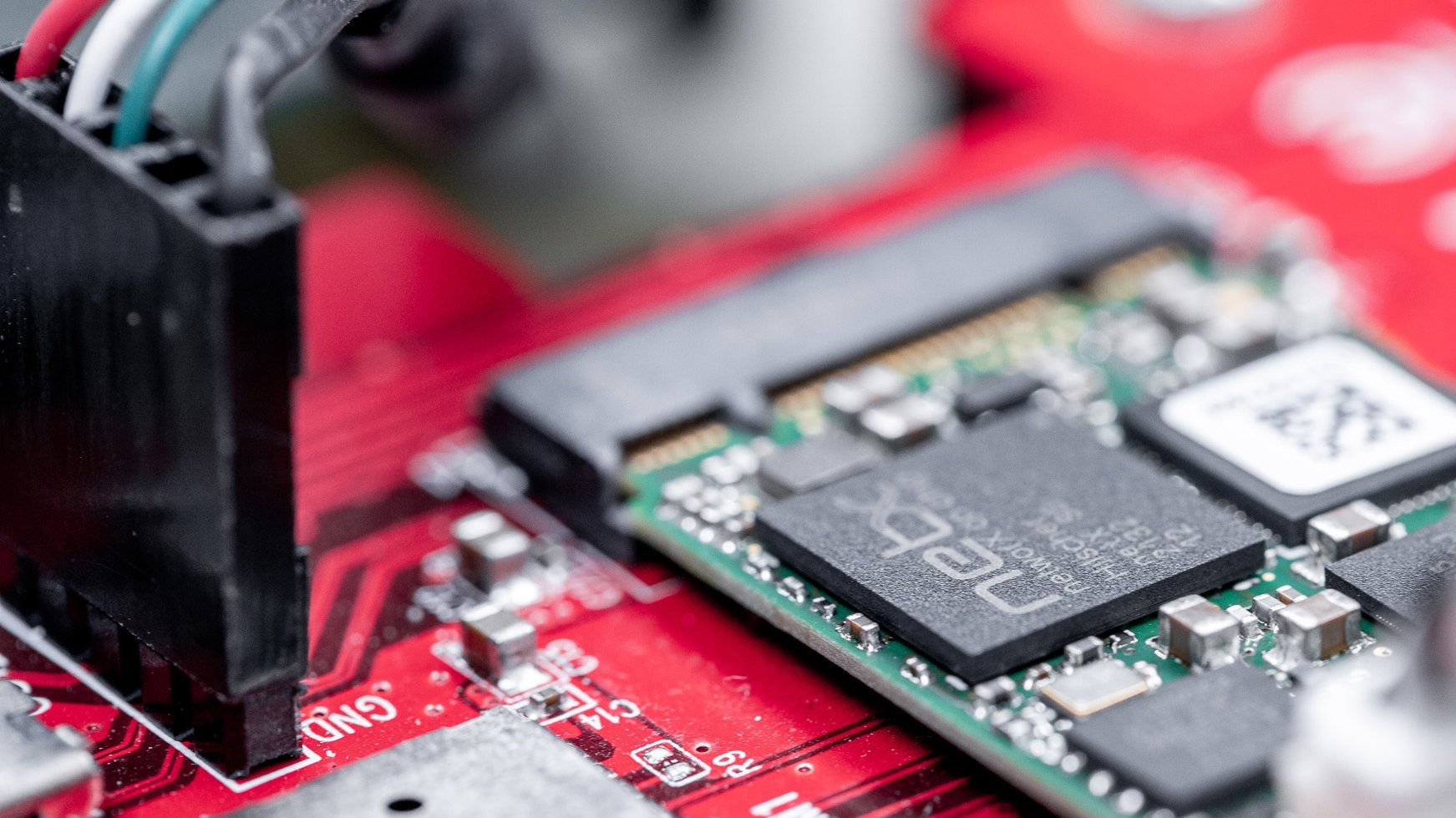
당사의 NXLFW 펌웨어는 모든 netX SoC 및 netX SoC 기반 제품의 핵심입니다. 단일 하드웨어로 모든 산업용 통신 프로토콜을 처리할 수 있으며 단일 소프트웨어 업데이트로 모든 것을 처리할 수 있습니다.
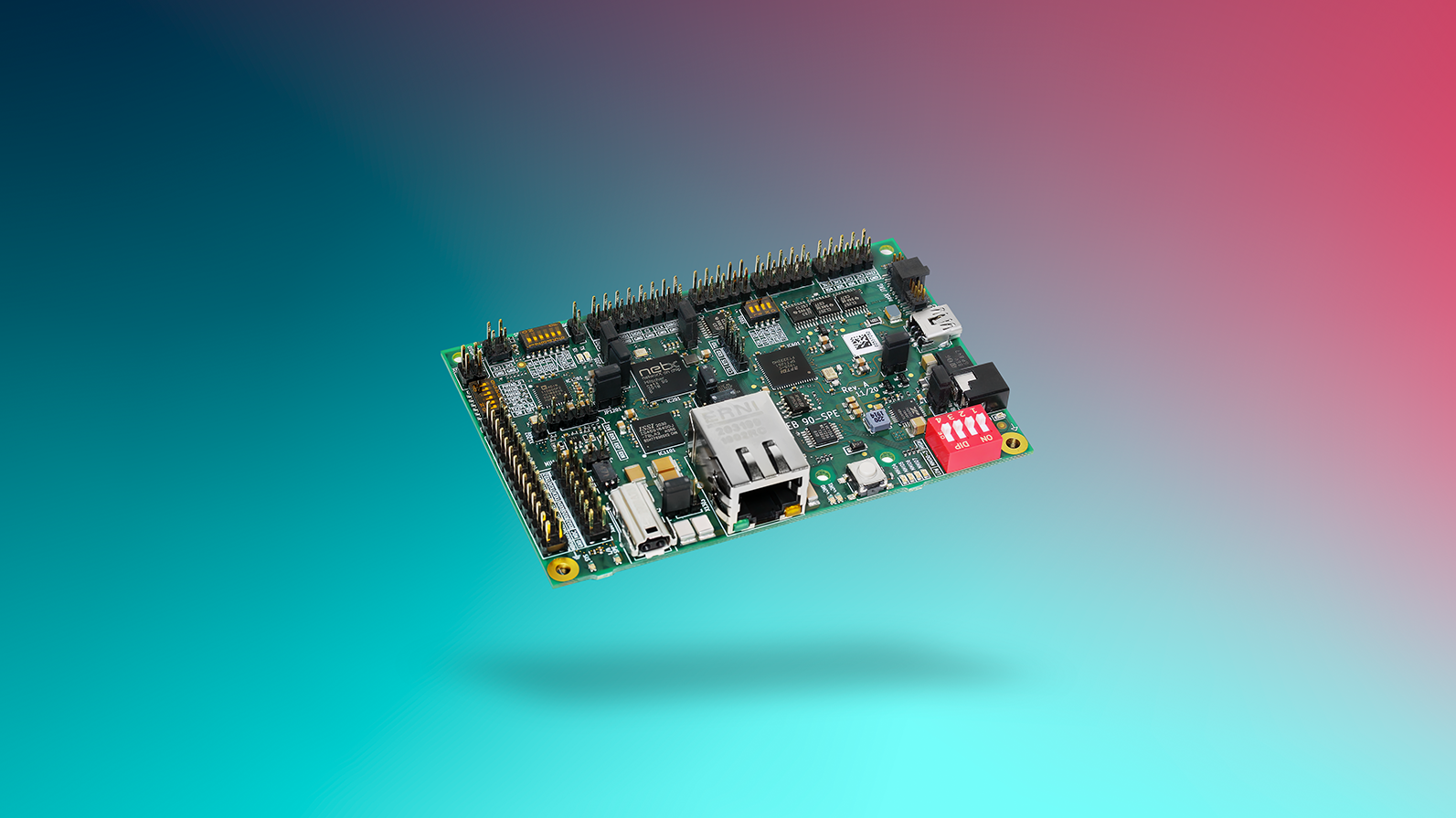
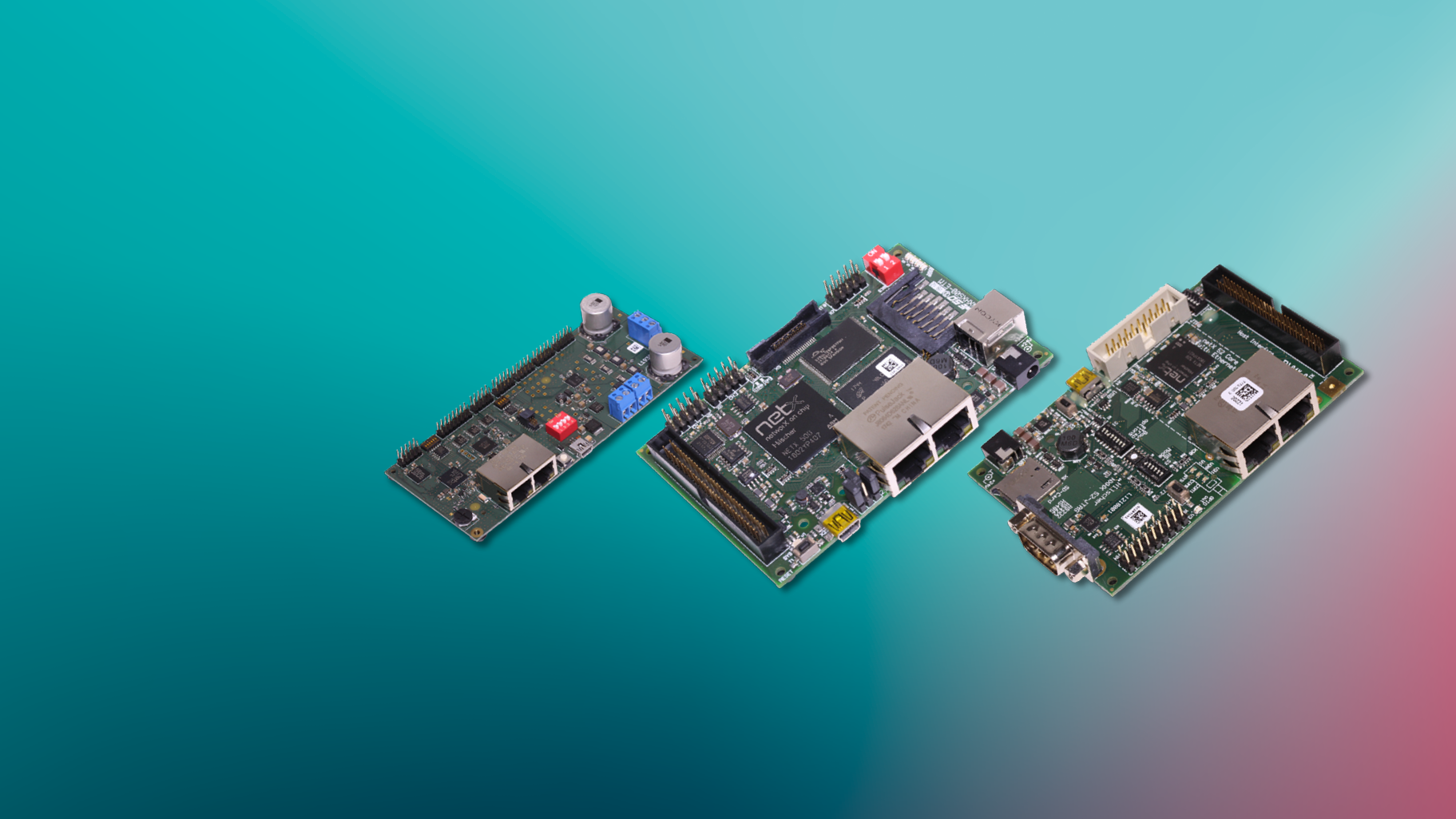
netX 칩용 NXHX 평가 보드는 다양한 네트워크로의 애플리케이션 통합을 평가하는 가장 효과적인 방법입니다. 이로써 하드웨어 설계가 결정되기 전에 애플리케이션 개발을 시작할 수 있으므로 시장 출시 시간이 단축됩니다.
관련 링크
귀사의 산업용 통신 프로젝트를 위한 통합 파트너를 찾고 계십니까? 멀티 프로토콜을 지원하는 netX 칩에서 IIoT 애플리케이션까지 - 우리의 파트너 기업 네트워크는 귀하에게 필요한 지원을 제공합니다!
Customer Center / Sales: Hilscher Korea Inc.
당사는 산업 통신을 가능하게 합니다. 기존의 필드버스에서 실시간 이더넷 및 클라우드까지. 당사의 솔루션은 멀티프로토콜이 가능하고 유연하며 안정적입니다. netX 소프트웨어 및 하드웨어 기술의 구현 방법 및 당사의 IIoT 플랫폼 netFIELD를 통한 기계 데이터로의 접근 방법에 대해 자세히 알아봅시다.
SoCs FAQ
The netX communication coltrollers from Hilscher are multi-protocol-capable SoCs. They offer the following advantages and benefits:
- Reduced development effort thanks to a uniform platform
- High flexibility in protocol selection
- Future-proof thanks to update capability
netX 90 enables flexible support for numerous fieldbus and industrial Ethernet protocols such as PROFINET, EtherCAT, EtherNet/IP, Modbus, and CC-Link as well as IIoT protocols such as OPC UA and MQTT.
netX is the brand name of a communication processor technology from Hilscher that was developed specifically for industrial networks.
The netX family is a series of communication processors from Hilscher that have been specially developed for industrial networks. They enable flexible support for almost all fieldbus and Industrial Ethernet protocols and form the basis of many Hilscher products such as PC cards, embedded modules, gateways, and edge devices.
netX 51/52: for classic fieldbuses and simple Industrial Ethernet applications
netX 90: compact, energy-efficient multi-protocol processor for secure device applications and modern IIoT devices
netX 100/500 series: for complex controller applications with high throughput
netX 900 series: Multi-core architecture for secure controller applications and demanding device use cases
The netX processors are multi-protocol capable and support, among others:
- Industrial Ethernet: PROFINET, EtherCAT, EtherNet/IP, Modbus TCP, CC-Link IE Field
- Feldbuses: Profibus, CANopen, DeviceNet, Interbus
- IIoT protocols: OPC UA, MQTT in combination with PROFINET, EtherNet/IP, EtherCAT, and Modbus
- Future technologies: TSN (Time-Sensitive Networking)
- Multi-protocol capability with a single hardware base
- Pre-certified protocol stacks
- Upgradeability for new standards and protocols
- Cyber-secure according to IEC 62443
- Compact design for embedded applications
- High real-time capability for industrial communication
- Long product life cycles for industrial requirements
- PC cards (cifX series) for industrial PCs
- Embedded modules (comX, netJACK, netRAPID) for direct integration
- Gateways and edge devices for networking heterogeneous systems
- Shorter development time, as there is no need to develop your own communication processor
- Flexibility, as multiple protocols are supported on the same hardware
- Scalability, from simple devices to complex control systems
- Investment security, as Hilscher guarantees long-term availability
- Mechanical engineering – Integration of various communication standards
- Robotics and motion control – Real-time communication for precise movements
- Industrial control systems
- Process industry – Real-time networking of numerous field devices
- IIoT devices – Connection of edge and cloud systems
- Automotive industry – Highly available and fast networks in production lines
The netX processors enable devices to be protocol-independent and future-proof. By supporting TSN, OPC UA, and IIoT standards, they are central building blocks for digital factory and smart factory concepts.
The netX 90 is one of the smallest and most energy-efficient multi-protocol processors on the market. It is particularly suitable for compact devices, sensors, actuators, and IIoT applications as well as and applications that require little energy but demand full protocol diversity.
- Device manufacturers (OEMs) who offer their products in different markets
- System integrators who need to connect heterogeneous networks
- Machine builders who are looking for a future-proof communication basis
- Industrial companies that rely on standardization and flexibility