赫优讯的嵌入式模块是将现场总线或实时以太网接口集成到紧凑型自动化设备中的理想解决方案。它们允许将驱动器或控件等现场设备快速、轻松地集成到自动化系统中。
赫优讯的嵌入式模块是将现场总线或实时以太网接口集成到紧凑型自动化设备中的理想解决方案。它们允许将驱动器或控件等现场设备集成到自动化系统中,由设备制造商集成硬件并将其连接到应用中。其重点是以小巧的外形实现最大的性能。
我们的嵌入式产品组合可满足各种要求,例如:不同的数据传输速率或扩展功能。作为设备制造商,使用我们的嵌入式模块可为您节省开发自己的通讯硬件所需的时间和资金。赫优讯的嵌入式模块是使您的现场设备具备通讯能力的简单而高效的选择。这意味着我们的模块可以最大限度地缩短产品上市时间,降低开发成本。
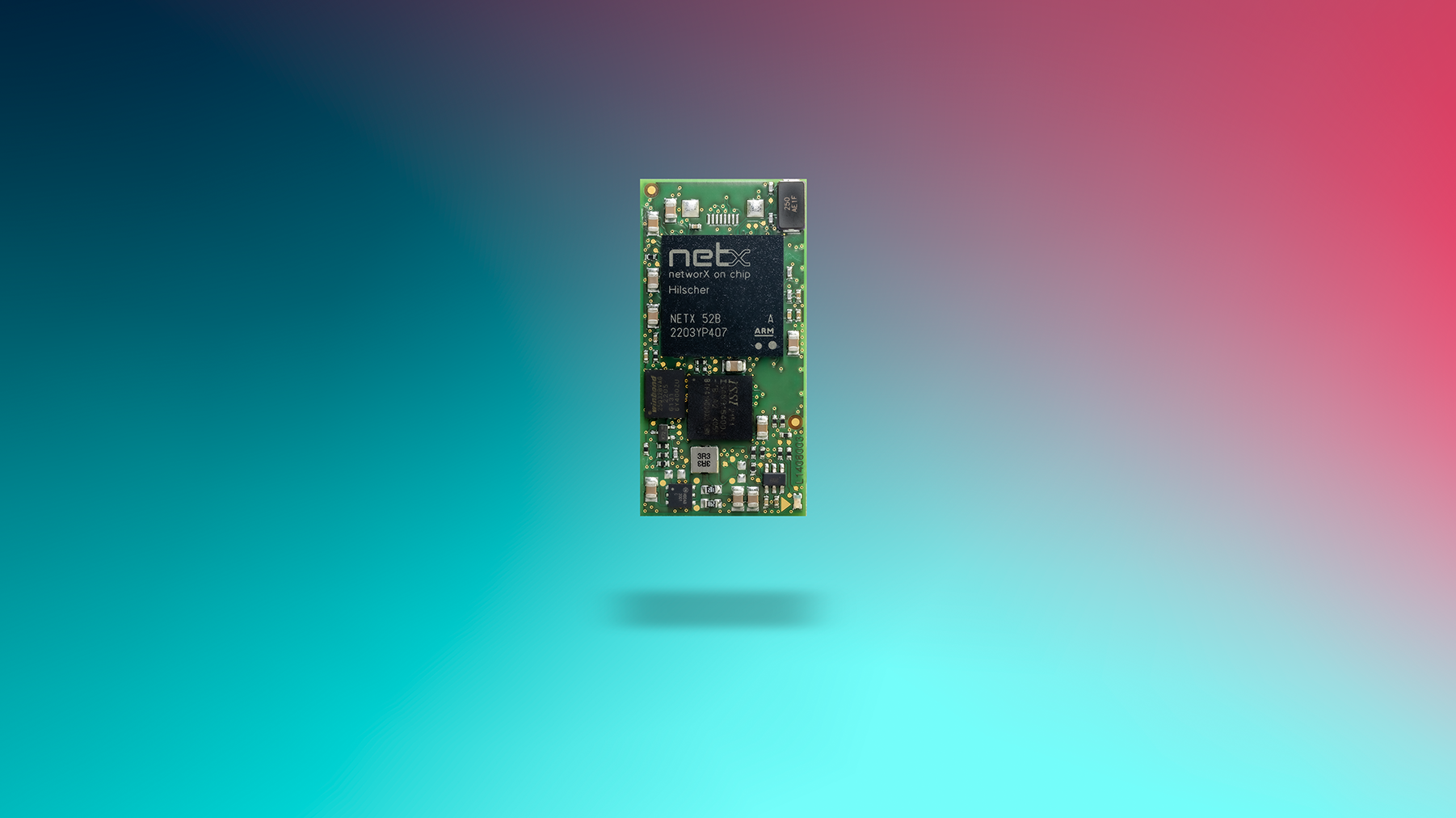
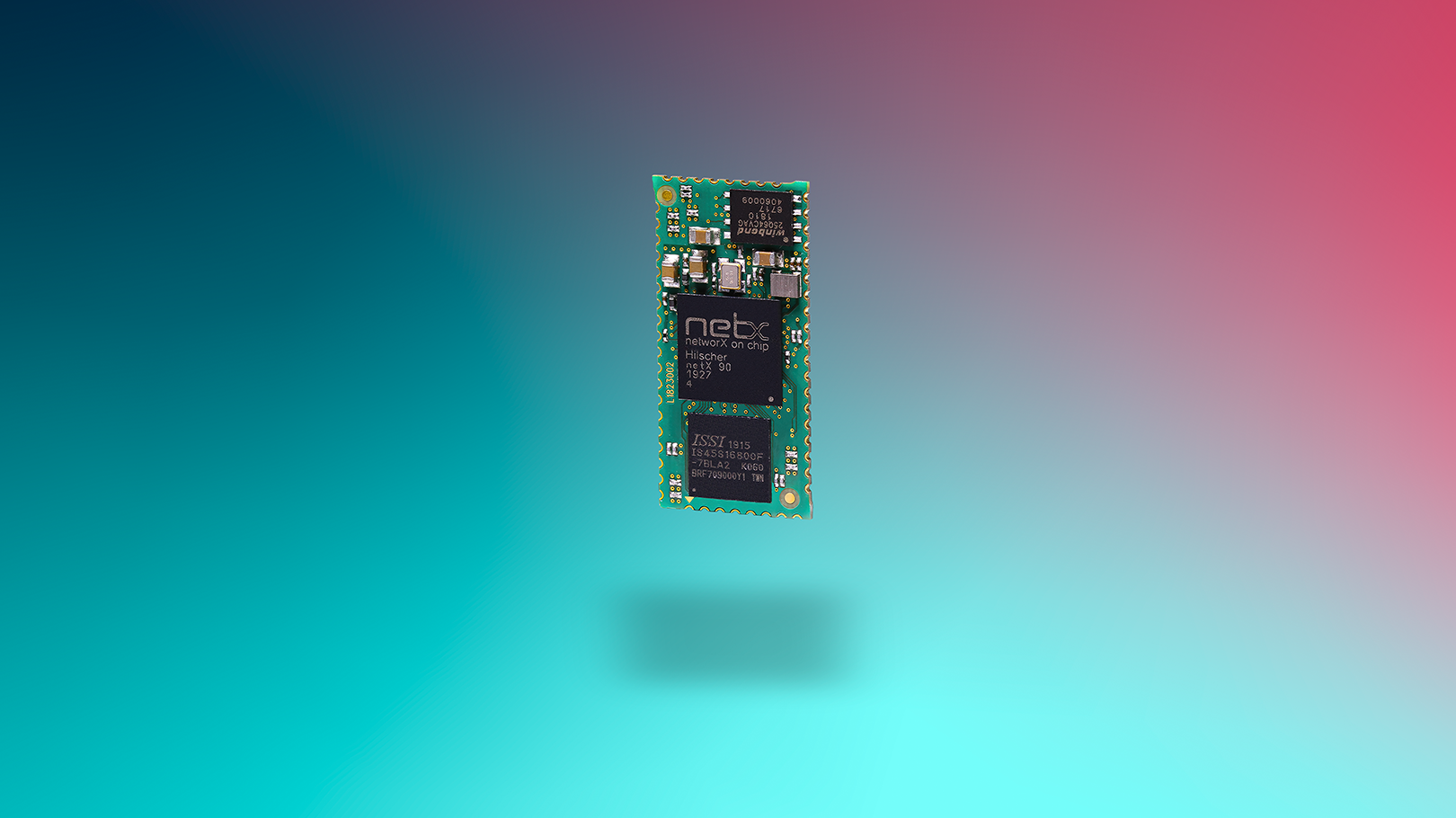
使用 netRAPID 快速安全地实现从站接口。netX 芯片载体是成本密集型内部开发的替代方案。
为您的机器人、PLC 或驱动器配备网络接口。comX 是适用于所有需要主站或从站功能的应用的通用解决方案。
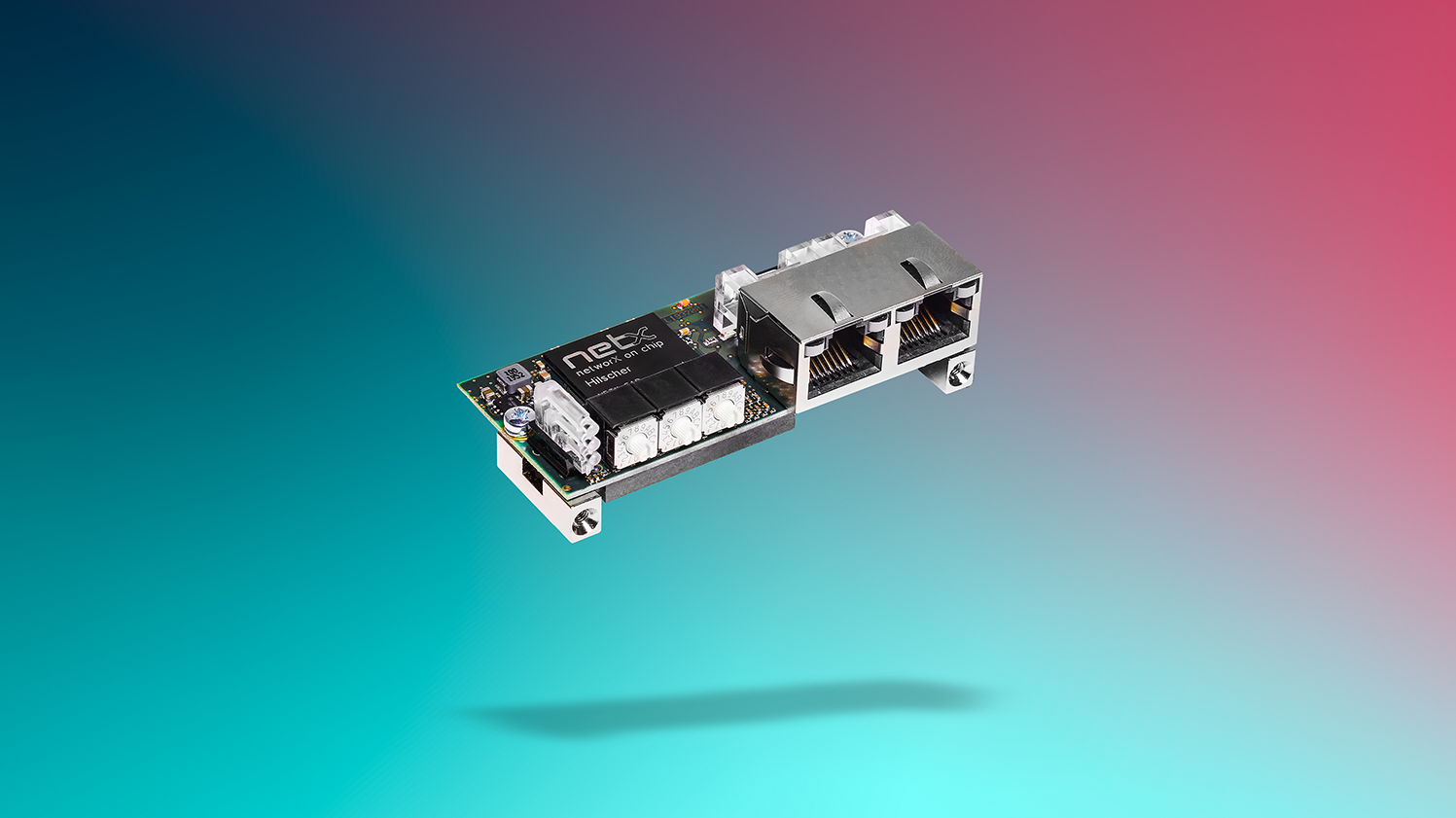
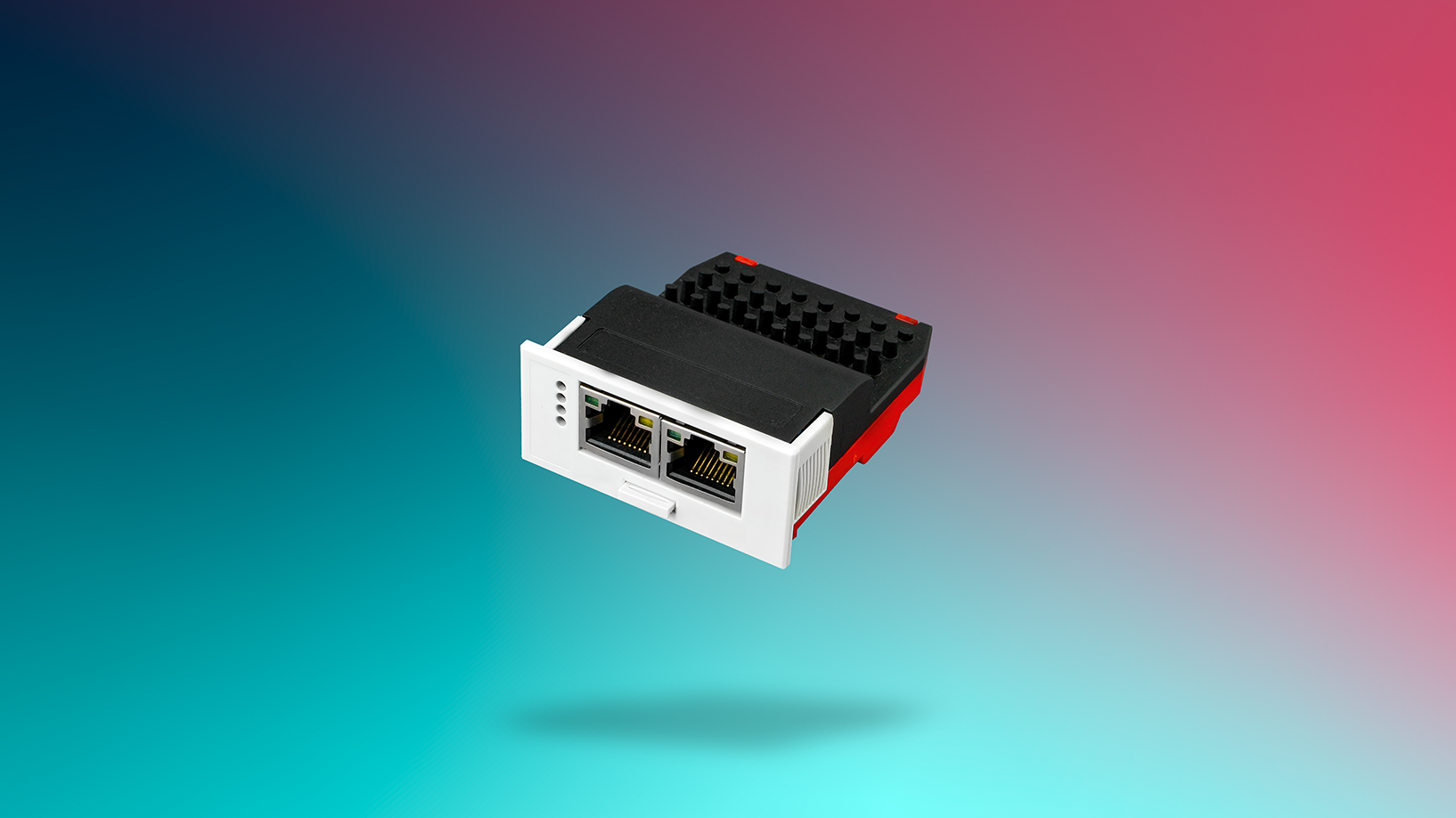
只需一个模块,即可执行所有工业通讯协议。netJACK 是所有需要主站或从站功能应用的通用解决方案。
netIC 是数据吞吐量较低的简单现场设备(如条形码扫描仪、识别系统、阀组和输入/输出模块)的理想从站解决方案。
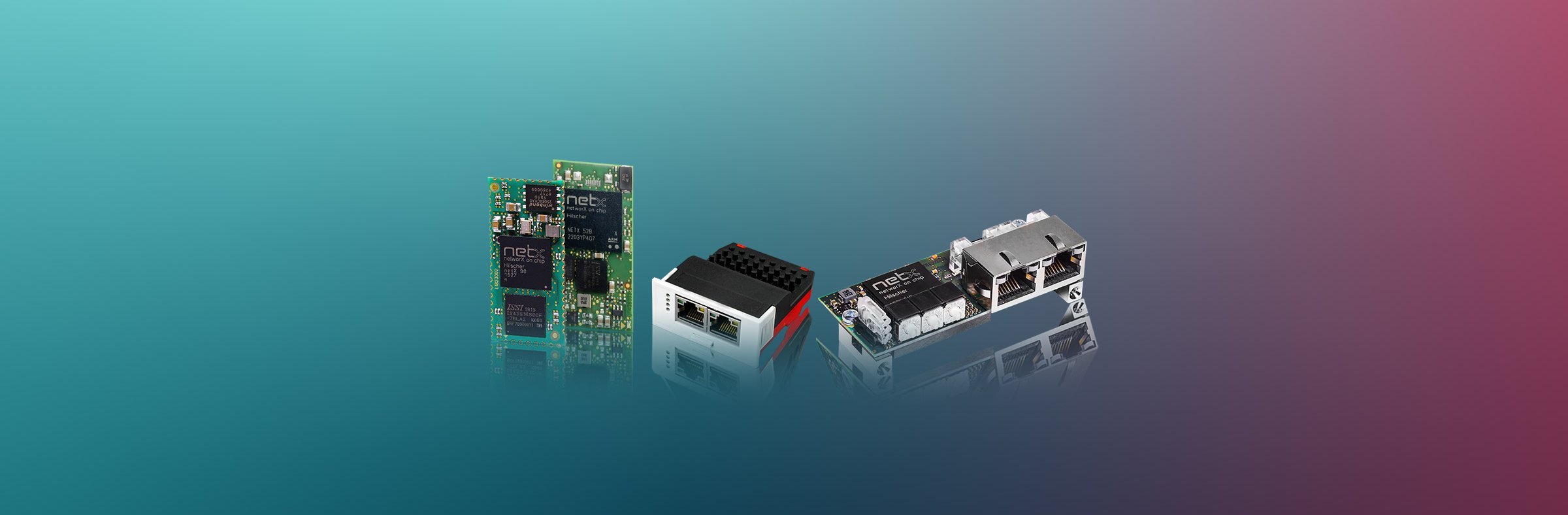
| | IP40 可互换模块 | 通讯模块 | DIL-32 通讯 IC | netX 芯片载体 |
|---|
| 产品 | netJACK | comX | netIC | netRAPID |
|---|
| 尺寸 | 60x50mm | 30x70mm | 42x21mm | 15x32mm |
|---|
| 安装 | 锁紧 | 螺栓固定 | 插件 | 焊接 |
|---|
| 网络连接器 | 板载 | 板载或基板 | 基板 | 基板 |
|---|
| 需要外部主机 CPU | 是 | 是 | 否 | 否 |
|---|
| 主机接口 | PCIe/DPM/SPM | DPM/SPM | 通过 UART/SPI 实现 Modbus RTU | SPM |
|---|
| 主站/从站 | 两者 | 两者 | 仅从站 | 仅从站 |
|---|
| 协议技术 | 工业以太网和现场总线 | 工业以太网和现场总线 | 工业以太网和现场总线 | 工业以太网、现场总线和 IIoT |
|---|
我们使工业通讯成为可能。从传统的现场总线到实时以太网和云端:我们的解决方案支持多协议,灵活可靠。详细了解我们的 netX 软件和硬件技术如何工作,以及我们如何通过 IIoT 平台 netFIELD 为您提供机器数据。
您是否正在为自己的工业通讯项目寻找集成合作伙伴?从支持多协议的 netX 芯片到 IIoT 应用,我们的合作伙伴网络可为您提供必要的支持!
What are Hilscher Embedded Modules?
Hilscher Embedded Modules are compact communication modules based on netX technology. They can be directly integrated into controllers, devices, or machines to enable flexible connectivity to fieldbus and Industrial Ethernet networks—without requiring manufacturers to develop their own hardware from scratch.
Which types of embedded modules does Hilscher offer?
- comX modules – plug-in communication modules for industrial controllers
- netJACK – IP40 exchangeable module, tool-free mounting
- netRAPID – chip carrier for direct integration of netX into custom designs
Which protocols do the embedded modules support?
The embedded modules are based on netX processors and support a wide range of protocols, including:
Industrial Ethernet: PROFINET, EtherCAT, EtherNet/IP, Modbus TCP, CC-Link IE Field
Fieldbuses: PROFIBUS, DeviceNet, CANopen, and others
Industrial IoT: OPC UA, MQTT
What advantages do embedded modules offer compared to in-house developments?
- Time to market: Faster market entry due to reduced development time
- Flexibility: Interchangeable modules for different protocols
- Unified software interface: Consistent API across all protocols
- Long-term availability: Industrial-grade form factors with many years of support
- Compact design: Minimal space requirements thanks to modular architecture
What is the difference between comX, netJACK, and netRAPID?
- comX: Universally applicable plug-in modules, flexible for various protocols
- netJACK: Inserted directly into the device front like a connector—ideal for modular devices
- netRAPID: Assembled chip module (chip carrier) soldered directly onto the mainboard—cost-efficient for series production
In which applications are Hilscher Embedded Modules used?
- Machinery and plant engineering: Integration into PLCs, motion controllers, and drives
- Robotics: Communication between robots and field devices
- Factory automation: Data transmission between sensors, actuators, and controllers
- IIoT devices: Connecting edge devices to industrial networks
How are the modules integrated?
Integration is straightforward, as Hilscher provides a unified software development kit (SDK) and driver concept. Developers access all protocols via a standardized API. Firmware updates and configurations can be easily deployed.
Are the embedded modules future-proof?
Yes. Thanks to the netX 90, the modules are update-capable and support both current and emerging technologies such as TSN and OPC UA. This makes them ideally suited for Industry 4.0 and IIoT applications.
Which industries benefit most from embedded modules?
- Automation technology
- Robotics and motion control
- Manufacturing technology
- Machine builders with modular product families
Who are Hilscher Embedded Modules intended for?
They are ideal for device manufacturers, OEMs, and machine builders who want to integrate their products quickly and flexibly into industrial communication networks—with minimal development effort and long-term investment security.