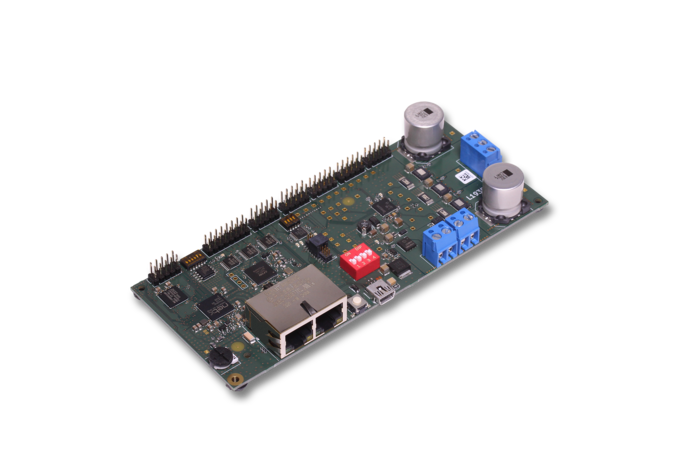
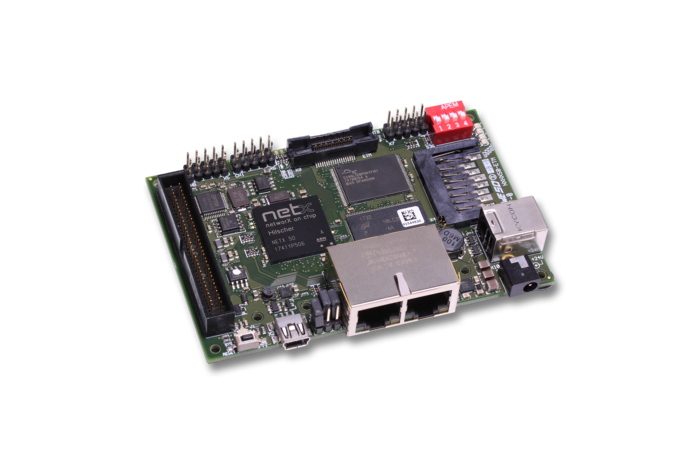
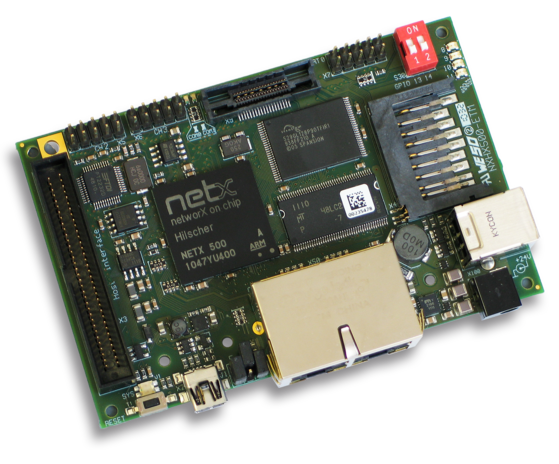
Industrial Ethernet offers a range of technical functionalities that make it particularly suited for industrial automation and communication. It incorporates real-time protocols, prioritization mechanisms, and Quality of Service (QoS) techniques to ensure timely and predictable data delivery, which is critical in applications where precise timing is required.
The deterministic behavior of this technology guarantees that data packets are transmitted and received within predictable timeframes, ensuring consistent performance even under heavy network loads. Industrial Ethernet protocols achieve determinism through mechanisms such as time synchronization, prioritized communication channels, and cyclic data exchange, which are essential for time-critical applications in industrial communication and automation technology.
Support for high-speed data exchange is another hallmark, enabling rapid transfer of large volumes of data between devices and systems. This capability is essential for applications such as motion control, machine vision, and high-throughput manufacturing processes, where real-time data acquisition and processing are required for optimal performance.
These networks further employ redundancy and failover mechanisms to enhance reliability and fault tolerance. Redundant network paths, link aggregation, and redundant power supplies ensure uninterrupted operation and minimize the impact of network failures on industrial processes.
Flexible scaling with the number of network nodes is a key feature of Industrial Ethernet, which is particularly beneficial in industrial settings where the network may need to expand or change configuration over time.