


Industrial Communication in IPCs Is Becoming a Security Issue
IPCs: Central automation platforms under new security requirements

Real-time communication continues to place special demands on determinism, cycle times, and protocol handling.
Simon Fischer
Product Manager, PC Cards
Hilscher Gesellschaft für Systemautomation mbH
Rapid integration of industrial communication with PC cards
“The high computing power of modern industrial PCs does not change one central challenge of industrial networks: real-time communication continues to place special demands on determinism, cycle times, and protocol handling,” says Simon Fischer, Product Manager for PC Cards at Hilscher Gesellschaft für Systemautomation mbH. At the same time, the number of different communication standards, such as PROFINET, EtherCAT, or EtherNet/IP, that machine builders and device manufacturers must support in parallel is increasing, according to the expert from the industrial communication specialist based in Hattersheim near Frankfurt.
PC cards for industrial communication handle these tasks independently of the actual host system. They specifically decouple industrial communication from the application, thereby reducing the workload on the IPC. Protocol stacks, real-time mechanisms, and network interfaces are already implemented on the card. This simplifies integration and shortens development times.
There is another aspect as well: industrial systems often remain in use for many years or even decades. PC cards for industrial communication must therefore remain available, updatable, and maintainable over the long term. These communication cards also simplify migration and retrofit projects because communication interfaces can be modernized independently of the actual host system. This lifecycle approach is becoming increasingly important, especially in light of regulatory requirements such as the Cyber Resilience Act (CRA).

Cybersecurity is changing the requirements for industrial communication
New PC cards for secure PCI Express-based industrial communication
In summary: Different network standards, short development times, and rising cybersecurity requirements are increasing the pressure on manufacturers of PC-based automation solutions. At the same time, industrial communication interfaces must remain available over the long term, support updates, and be flexibly integrated.
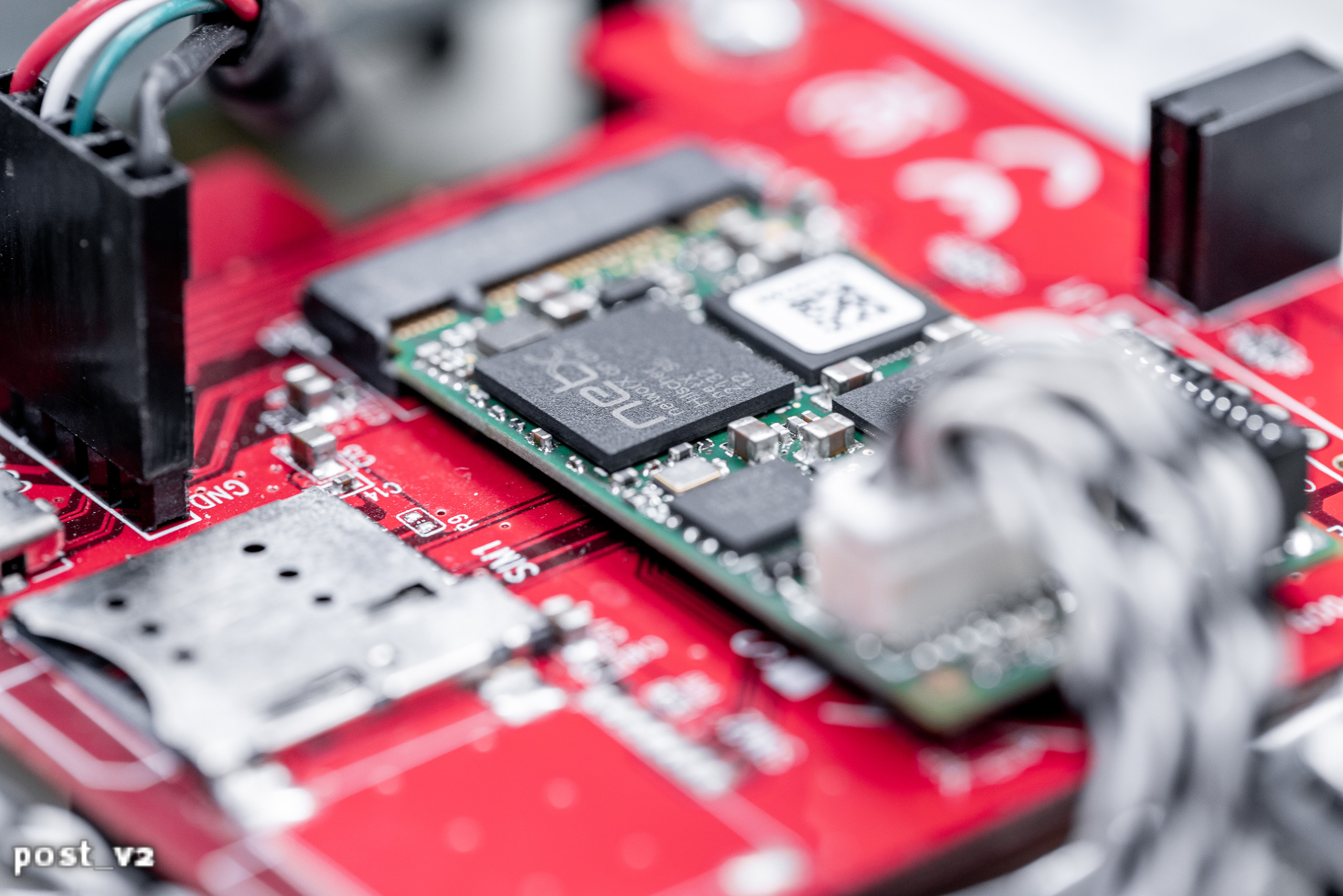
With the new cifX PCIE90-RE and cifX LPCIE90-RE PCI Express cards, Hilscher offers a communication solution for modern IPC architectures. Both cards are based on the multiprotocol-capable netX 90 communication controller and support Industrial Ethernet protocols such as PROFINET IO-Device, EtherCAT SubDevice, and EtherNet/IP Adapter, but also fieldbuses such as PROFIBUS, on a shared hardware platform.
In addition, the cards support IIoT protocols such as OPC UA and MQTT in parallel with real-time communication. This allows machine and process data to be made available directly for edge or cloud applications. Switching between the respective network protocols is performed via firmware – without any hardware changes.
Cybersecurity has also been integrated directly into the communication platform. Functions such as Secure Boot, signed firmware, encrypted communication, and certificate management support machine builders in addressing CRA requirements at an early stage.
Thanks to its uniform platform approach with shared drivers, APIs, and tools, Hilscher also reduces integration effort across different communication solutions. This simplifies the development, maintenance, and migration of existing systems throughout long product life cycles.

PC cards: Always the best solution?
One question remains: are PC cards the ideal solution for every communication task? PC cards enable particularly fast and low-risk integration of industrial communication into existing systems. The focus is clearly on standardization and immediate usability, which keeps development effort and time to market to a minimum. At the same time, however, these advantages also come with structural limitations. These include:
- higher unit costs
- limited control over the overall system
- dependencies on the component supplier
For optimized and more cost-sensitive series solutions, PC cards may therefore also reach their limits and are often complemented or replaced by integrated approaches such as embedded modules or individually implemented network controllers. Based on netX technology, Hilscher offers the right solution for every application area of industrial communication.

Related links

Customer Center / Sales Hilscher Gesellschaft für Systemautomation mbH
You've got questions? We've got the answers!

I processori multiprotocollo netX assicurano comunicazioni industriali a macchine e dispositivi. Sia che si tratti di applicazioni master o slave, bus di campo legacy, traffico dati Fast Industrial Ethernet o IIoT - con SoC netX altamente integrati potete contare sulle soluzioni del leader di mercato.

Attacks on industrial systems are steadily increasing and becoming more sophisticated. At the same time, regulatory requirements like CRA and NIS 2 for secure operations and device protection are gaining traction. We help you operate your devices securely and prepare them for the future. Schedule a free consultation with our experts today!